
I Finally Fixed The House My Tenant Trashed in Japan
Oct 14, 2026When Repairing a House Isn't Enough
When I first got my Yokohama house back from the tenant, I thought the job was pretty straightforward
Repair the damage. Clean everything up. Get the house back into rentable condition.
That was the plan.
Then I decided I wasn't going to rent it out again.
And that changed the renovation completely.
A house doesn't have one definition of "fixed"
Once I knew I was going to use the house myself, I stopped thinking about returning it to the condition it had been in before.
I started thinking about what I actually wanted it to be.
That's a different question.
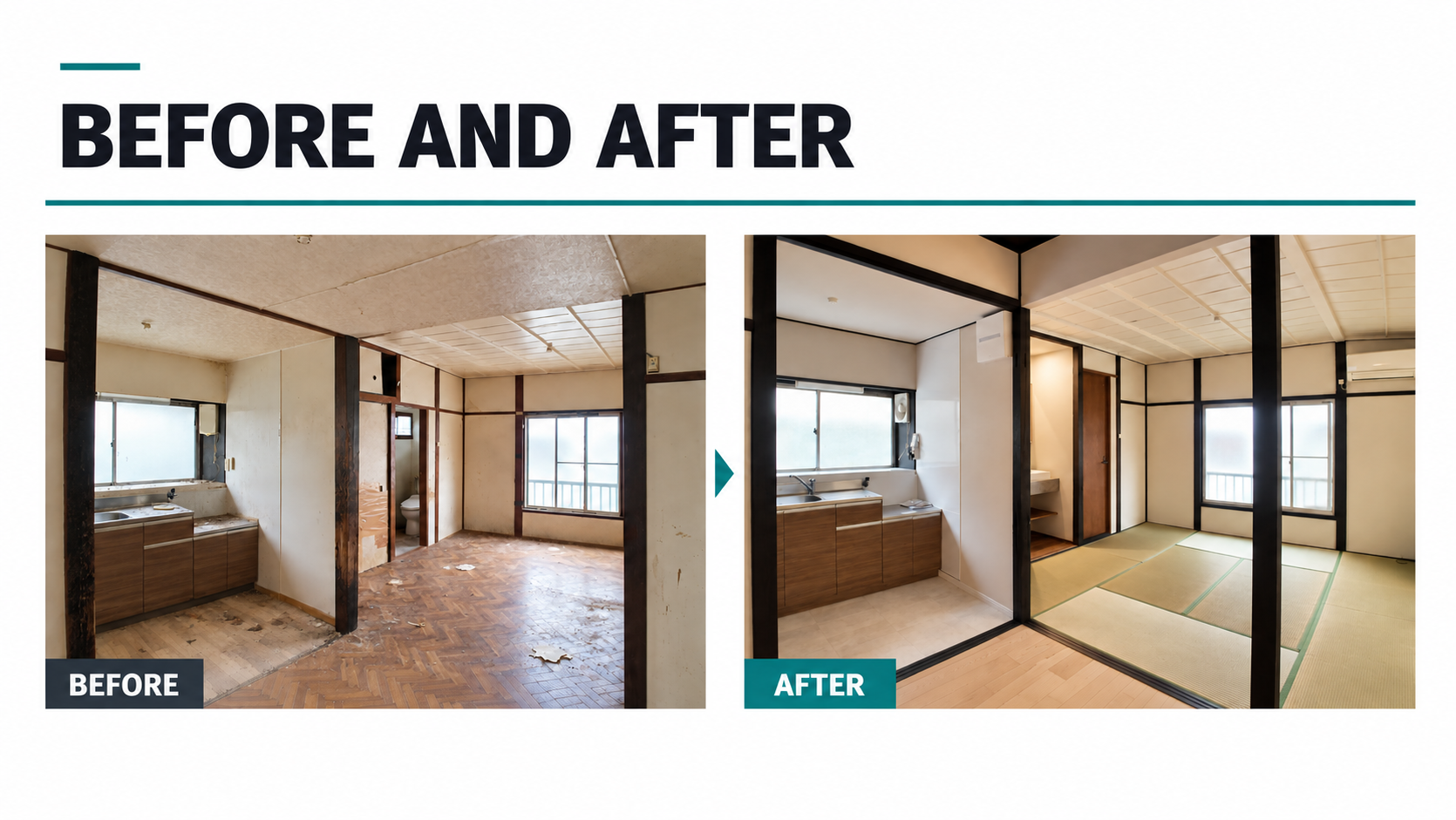
The mezzanine is probably the clearest example. When I got the house back, it was one of the worst areas. There were scratches, smells, an awkward entrance, and no proper door.
If I were preparing the house for another tenant, I could have approached that room as a damaged room that needed to be repaired.
Instead, I turned it into a workspace.
We changed the floor, added shoji, and set up desks. The room went from something I needed to fix into something I actually wanted to use.
The same thing happened upstairs. What started as a repair project became a much larger studio and work area because I was designing it around my own life.
That's where renovation budgets get complicated
It's easy to ask, "How much will it cost to renovate this house?"
But there isn't really one renovation cost.
There is the cost of repairing something that is damaged.
There is the cost of making a space comfortable and usable.
Then there is the cost of changing a property so that it works for the particular way you want to use it.
And after that, there are the things you simply want because you have decided this is going to be your house.
Those aren't necessarily the same thing.
In my case, removing the bathtub and putting in a shower wasn't just about repairing something that was broken. The same goes for opening up spaces, changing the layout, creating the studio, and making the house work as somewhere I could actually spend time and work.
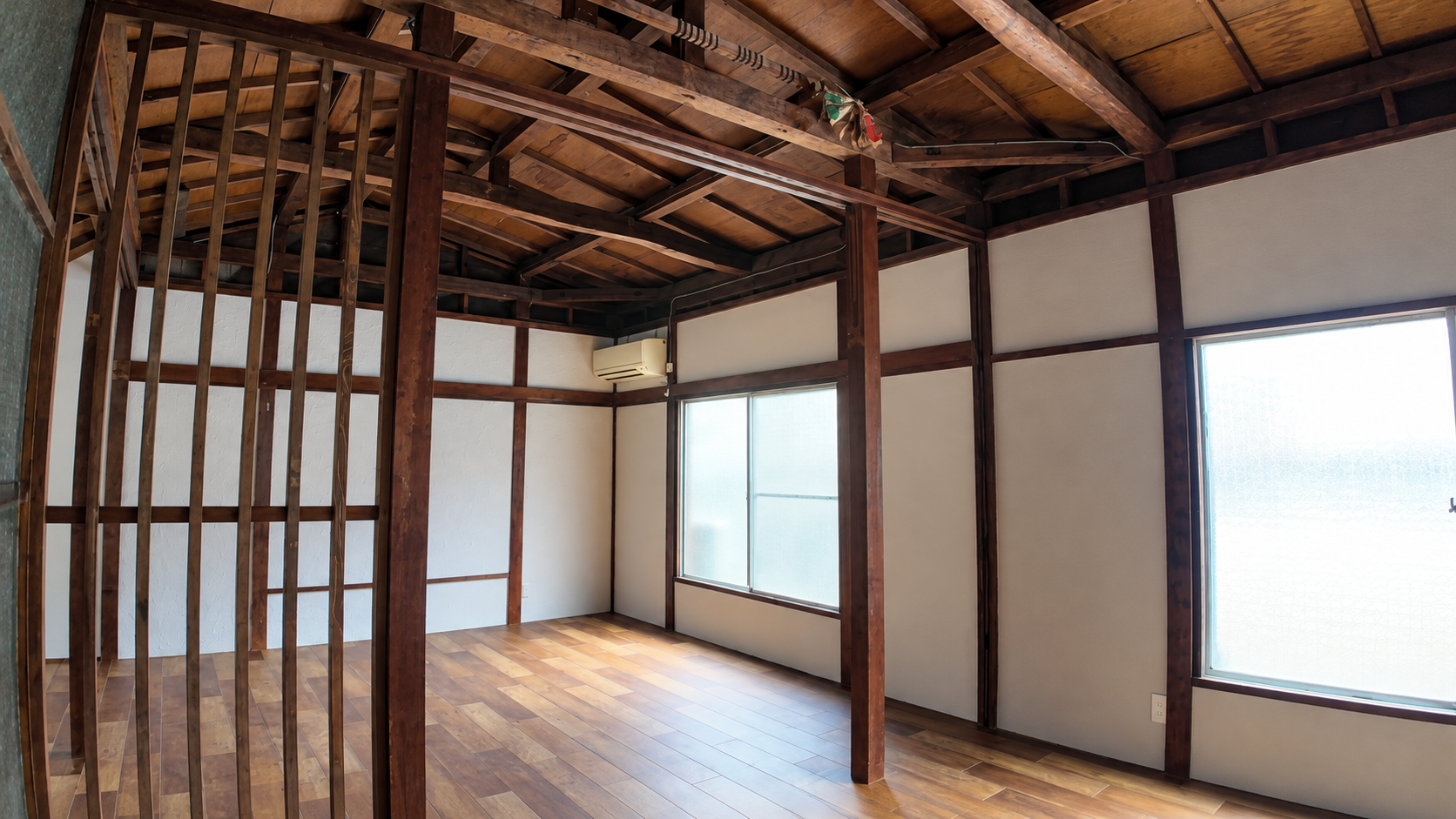
The project got bigger because the purpose of the property changed.
That's something I'd think about before spending much time trying to calculate a renovation budget.
Personal value isn't the same as investment value
I also don't think it's useful to look at a renovation like this and immediately ask whether I "got my money back."
I wasn't renovating this house to sell it.
I wasn't trying to create the most economical rental possible.
I was making a place that I wanted to use.
That doesn't mean every decision was financially optimal. I don't think you can really make that judgment without knowing what someone values, how they use the property, and what alternatives they have.
For me, though, the result is much easier to judge.
I wanted a place where I could work, spend time, and occasionally live. The renovation moved the house much closer to that goal.
So when I look at the final result, I'm happy with what I spent.
The important decision actually came before the renovation itself.
I had to decide what I wanted the house to be.
If you're looking at an old house and your first question is, "How much will it cost to fix?"
I'd add one more question before you start calculating:
What do I actually want this house to be?
Once you know that, a lot of the renovation decisions become easier to make.
If you want to see what that looked like in practice, I documented the final stage of the renovation:
[WATCH Ep. 316: My Tenant Trashed My House Finale]