Japan’s SoCal Has House Prices Like This Near Tokyo
Sep 20, 2026Before you call a house in Japan a bargain
A cheap house isn't always a cheap way to live
When you're looking at Japanese houses online, it's very easy to focus on one number: the asking price.
I understand why. Sometimes that number is surprisingly low.
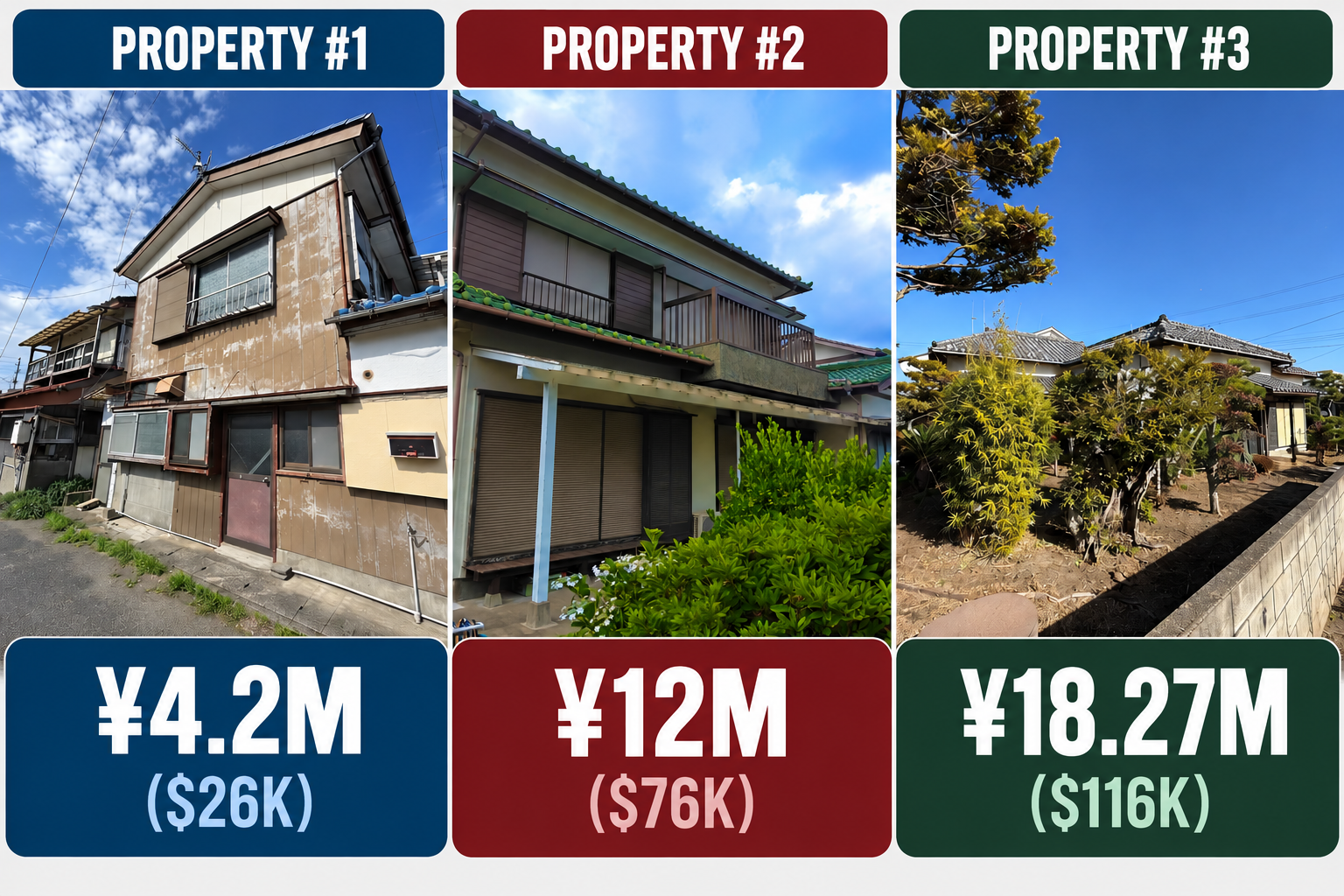
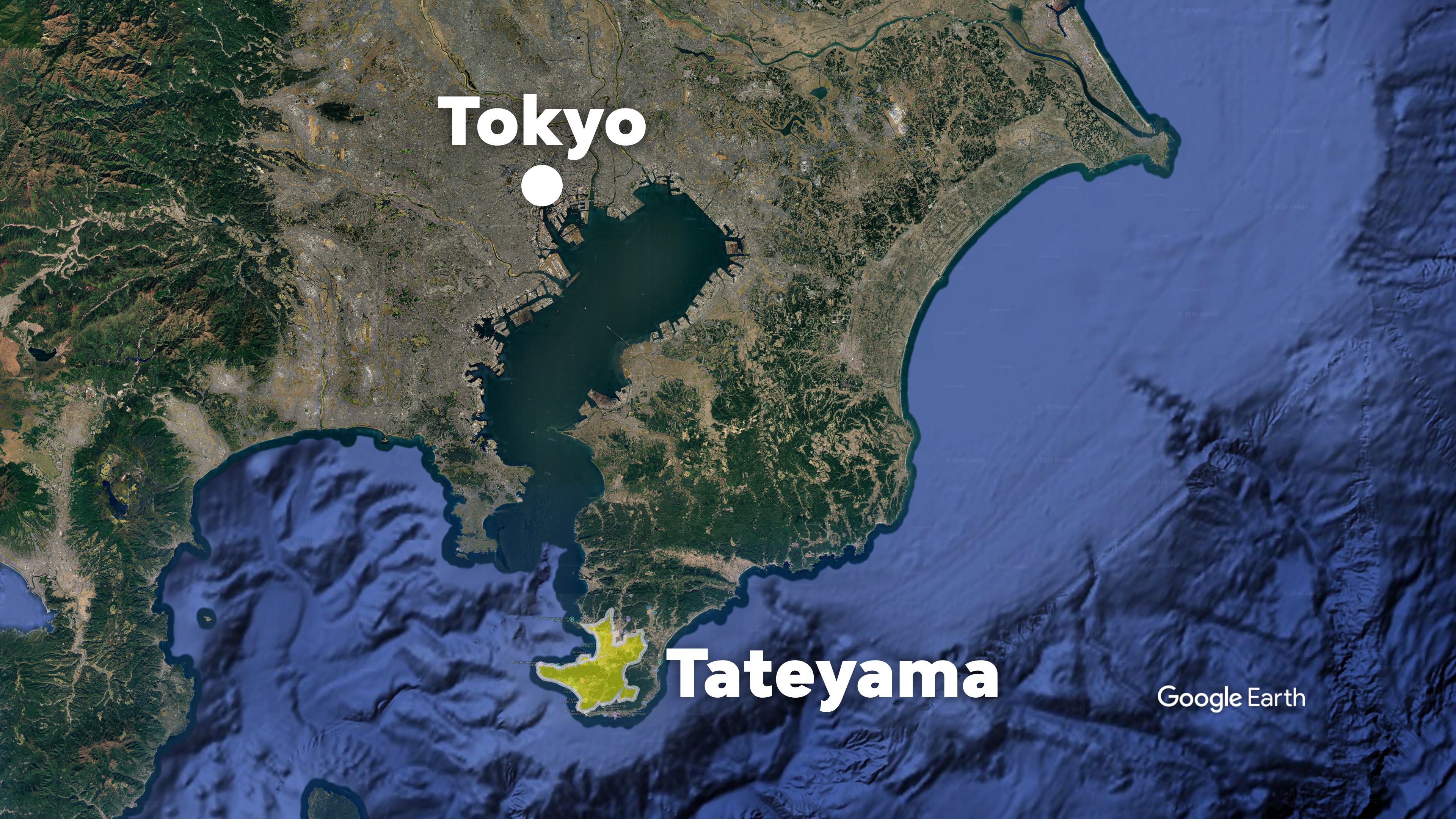
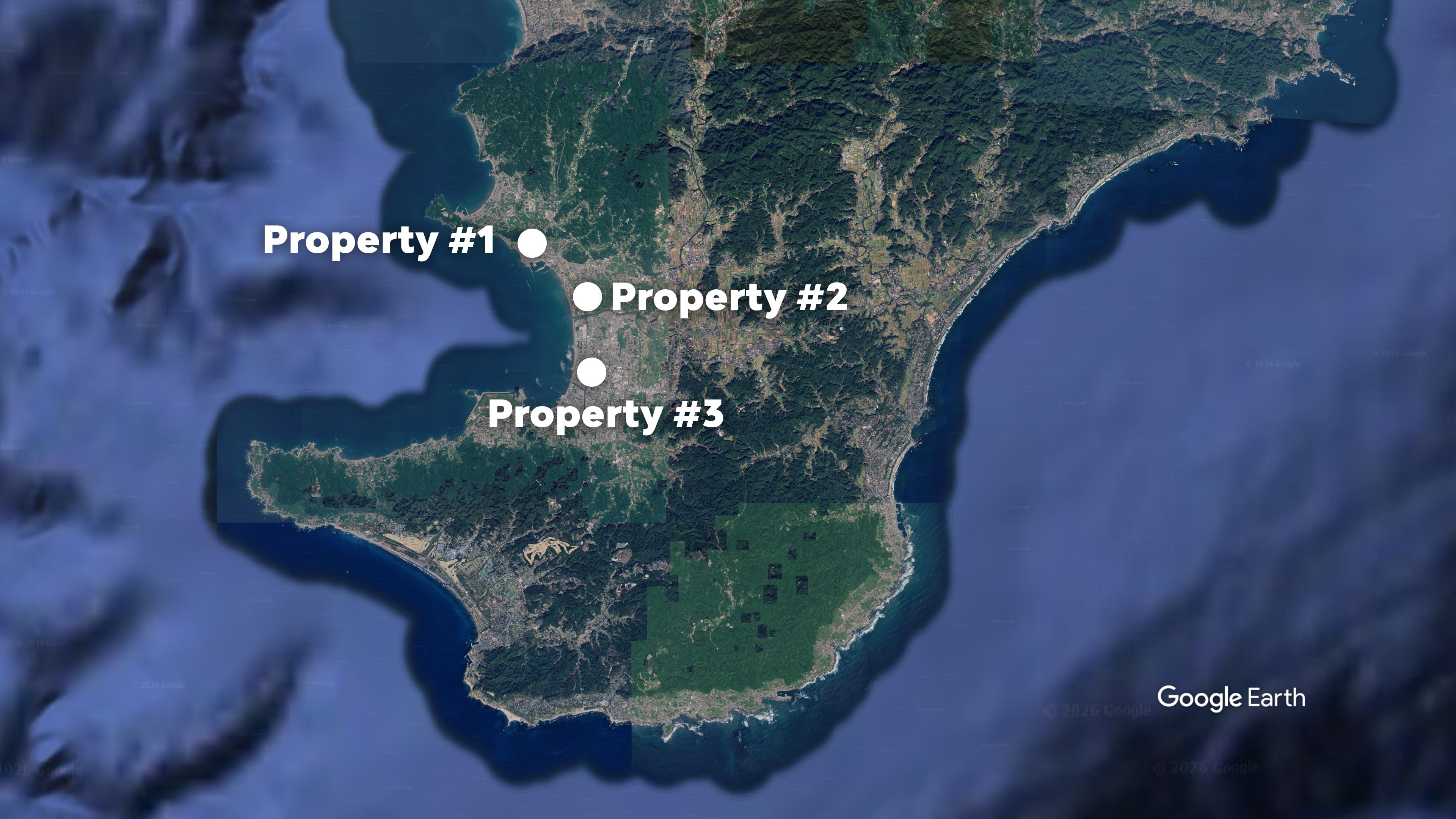
In Tateyama, we found a house for ¥4.2 million / $26,000 that was about a 40-second walk from a port.
That sounds like a pretty easy story.
Then you see the house.
The place needs a lot of work. There are actually three structures on the property. The registered building is only about 647 square feet, while the land is roughly 2,793 square feet. Parts of the property are seriously deteriorated.
And suddenly ¥4.2 million doesn't tell you very much.
The asking price tells you what it costs to buy the property. It doesn't tell you what it takes to make the property into the life you want.
Cheap can be a starting point
I actually think this is what makes the ¥4.2 million property interesting.
It's not necessarily a bad property because it needs work.
If someone wanted a major renovation project, wanted a lot of land, liked the traditional parts of the existing buildings, and really wanted to be that close to the water, this could be a very interesting starting point.
But that's a very different question from:
“Is this a cheap house?”
During the video, I talk about the possibility of rebuilding and roughly estimate around ¥30 million for a new house itself, depending on the design and site work.
That's my rough estimate, not a construction quote. The actual number could move quite a bit.
And that's the point.
If you're looking at a property like this, you need to think about what you want the property to become.
A ¥4.2 million purchase can be the beginning of a big project.
For somebody, that's exactly what they want.
For somebody else, it's the last thing they want.
Spending more doesn't make the questions disappear
We looked at two more houses in Tateyama.
The second was ¥12 million / $76,000, a much more conventional 7LDK house with a garden, about seven minutes from the station by car.
That sounds like a much simpler proposition.
Except we couldn't see the inside.
The property was being sold as-is, and the listing included repair issues, including reported rain-leak-related damage.
Then there was an ¥18.27 million / $116,000 traditional house on an enormous piece of land.
Again, interesting. Again, different.
The listing calls it a 2LDK, but when Shu looks at the supplied floorplan, there appear to be more individual rooms. The build year is unknown, with an estimate around 1922. There are other things that would need to be investigated too.
So the progression isn't really:
¥4.2M → ¥12M → ¥18.27M → fewer problems.
It's three different starting points.
That's something I think is easy to lose when you're searching for houses from overseas. You see the price before you see the project.
Ask what you want the house to do
Maybe you want a weekend house.
Maybe you want a traditional Japanese home that you can restore slowly.
Maybe you want a modern house near the ocean and don't care much about the existing building.
Maybe you want a garden.
Maybe you just want somewhere you can spend a few weeks a year and walk to the water.
Those goals can lead you to completely different properties.
And that's why I would be careful about asking, “Is this a good deal?”
I'd ask something more specific:
What would I have to do to make this the life I want?
That question brings the property, the renovation, the location and the practical work back into the same conversation.
It also changes how you look at cheap houses.
A difficult ¥4.2 million property in a place you really want to be might be worth investigating.
A ¥12 million house that doesn't fit your plans might not be.
You have to figure out the first part before the price means very much.
That's also why we spent time looking at Tateyama itself in this episode. The houses are only part of the story. If you're going to own a house there, you have to actually want to spend time there.
We started at the station, walked around town, looked at the coast, and eventually ended up at Okinoshima.
The house is supposed to enable the life
So before you decide whether a property is cheap, expensive, interesting, or anything else, figure out what you're actually trying to buy.
Then the asking price becomes much more useful.
If you want to see the three Tateyama properties for yourself, I've put the full episode below.